


Sintra
Fairytale palaces, lush forests, and UNESCO heritage hills
Sintra, often described as a fairytale town, is one of Portugal’s most iconic and atmospheric destinations. Its history stretches back to Moorish times, when the region’s strategic hills were crowned with a formidable castle. In the centuries that followed, Sintra became a favored retreat for Portuguese royalty, aristocrats, and artists, who built extravagant palaces and landscaped gardens inspired by Romantic ideals. The result is a landscape where nature and architecture blend in a tapestry of color, myth, and imagination.
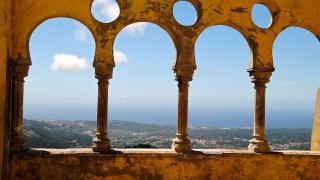
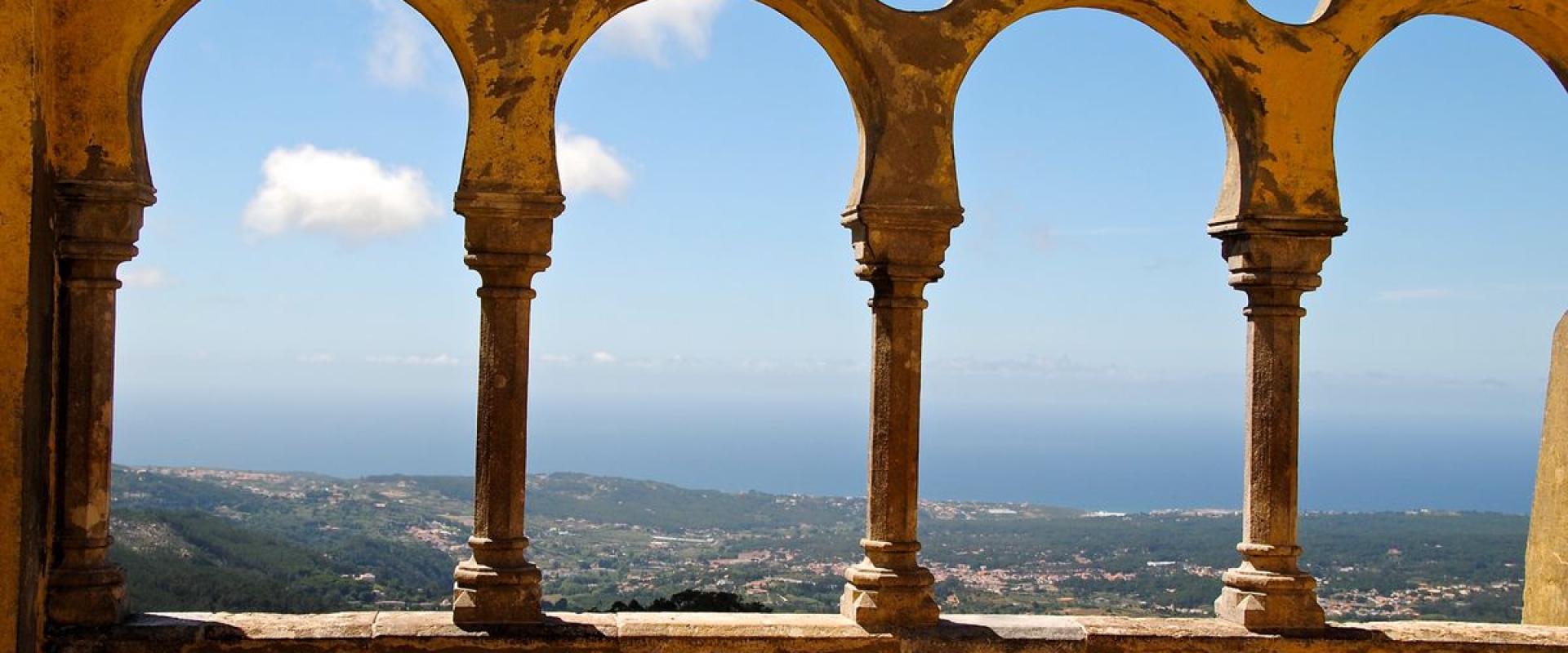
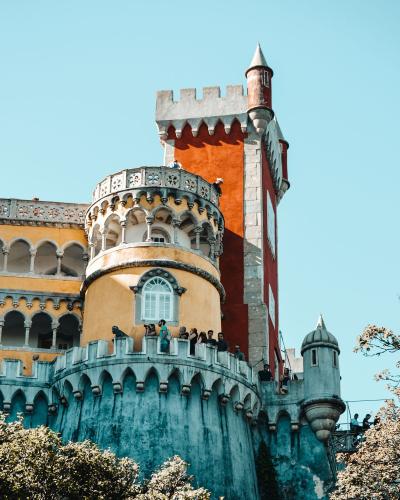
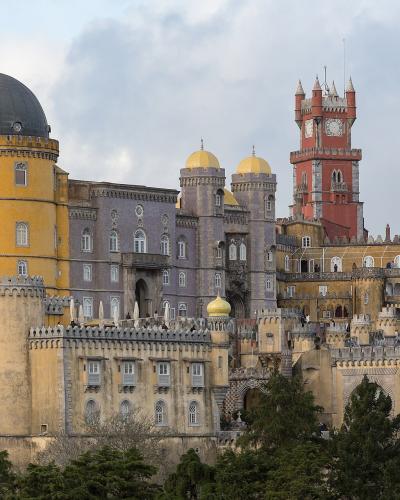
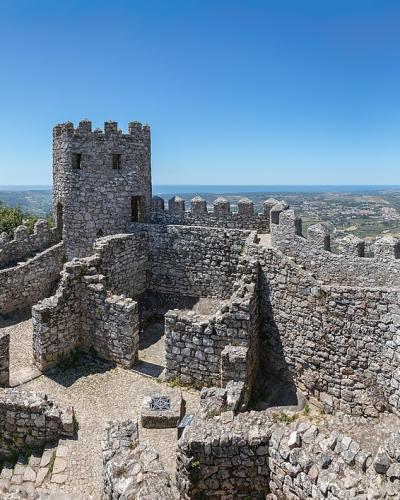
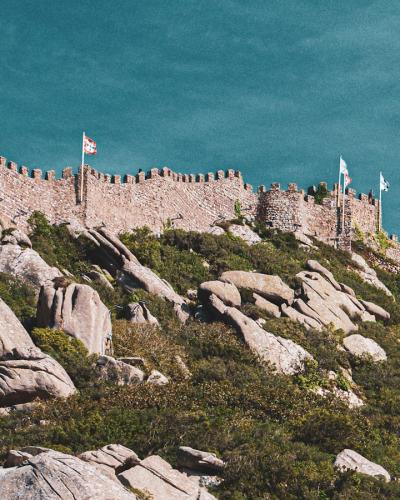
The crown jewel of Sintra is the Palácio da Pena, a flamboyant 19th-century palace perched atop a rocky peak. With its vivid colors, eclectic turrets, and sweeping views over the Atlantic and Lisbon, Pena Palace is a masterpiece of Romanticism and a must-see for any visitor. Nearby, the Moorish Castle (Castelo dos Mouros) offers a more ancient perspective, with its weathered stone walls snaking along the ridge and providing panoramic vistas of the surrounding forests and coastline.
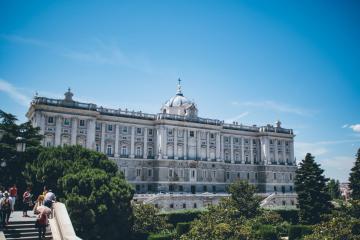
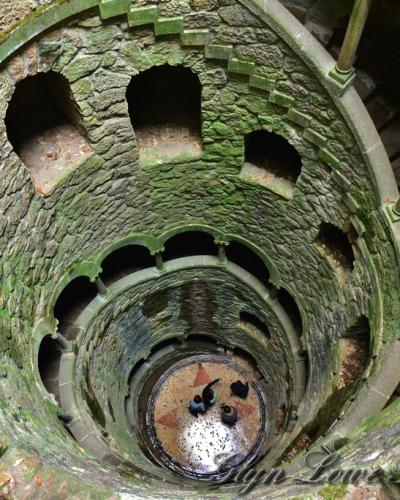
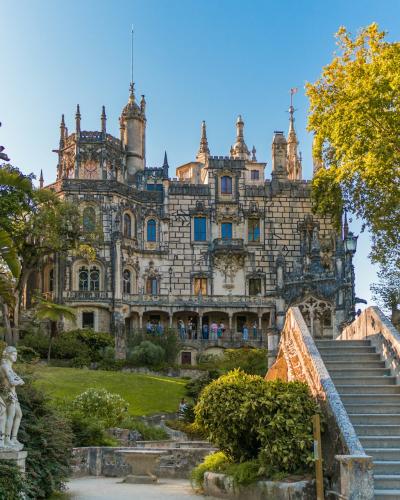
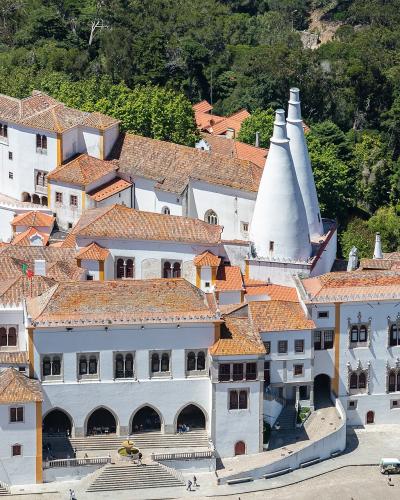
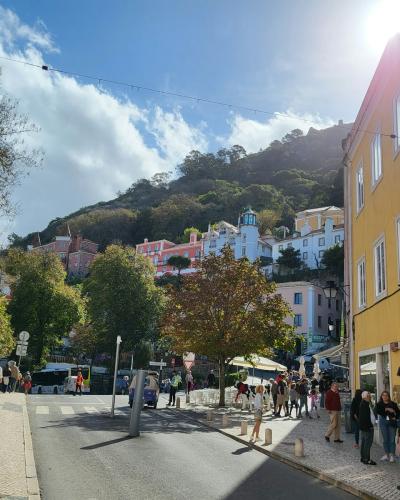
Sintra’s historic center is a delight to explore, with its narrow lanes, tiled facades, and bustling squares. The Palácio Nacional de Sintra, with its iconic twin chimneys, was the medieval residence of Portuguese kings and houses a remarkable collection of azulejos (painted tiles) and royal treasures. The mystical Quinta da Regaleira estate is another highlight, famous for its enigmatic gardens, underground tunnels, and the iconic Initiation Well—a spiral staircase descending deep into the earth, shrouded in symbolism and legend.
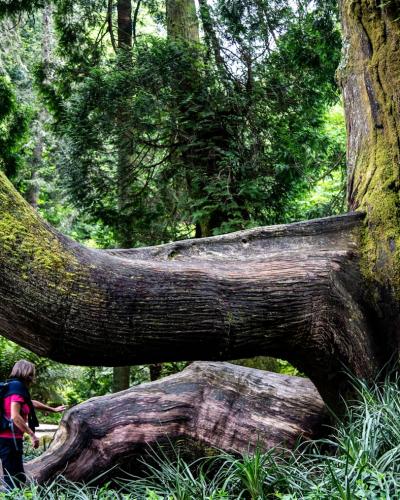
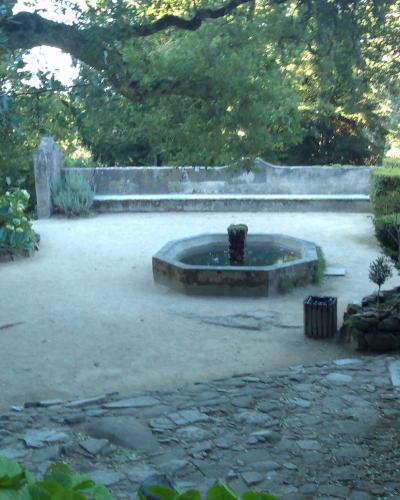
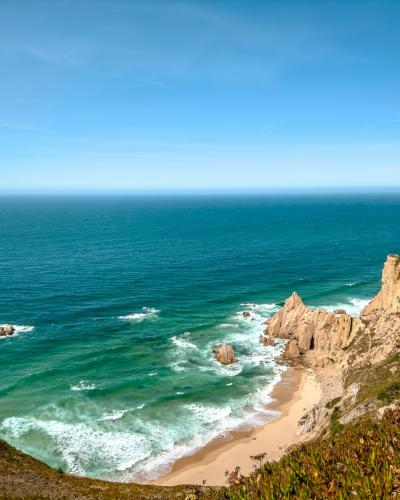
Nature lovers will find plenty to enjoy in the surrounding Serra de Sintra, a UNESCO-listed cultural landscape. The Parque da Liberdade and the gardens of Monserrate Palace offer tranquil walks among exotic plants, waterfalls, and romantic follies. Hiking trails wind through the misty hills, leading to hidden chapels, ancient crosses, and breathtaking viewpoints such as Cruz Alta and the cliffs of Cabo da Roca—the westernmost point of mainland Europe.
Sintra is also known for its culinary delights, including the famous travesseiros (almond pastries) and queijadas (cheese tarts), best enjoyed in one of the town’s historic cafes. The town hosts regular festivals, markets, and cultural events, adding to its lively and welcoming atmosphere.
Getting to Sintra is easy, with frequent trains from Lisbon’s Rossio station (about 40 minutes). The town is compact but hilly, so comfortable shoes are recommended, and local buses or tuk-tuks can help reach the more distant palaces and parks. Accommodation ranges from boutique hotels in historic mansions to charming guesthouses and countryside retreats.
The best time to visit Sintra is in spring (March-May) or autumn (September-November), when the weather is mild, the gardens are lush, and the crowds are smaller. Summer brings longer days and lively events but can be busy, while winter offers a quieter, mistier, and more mysterious experience. Whether you’re drawn by the palaces, the legends, or the landscapes, Sintra promises an unforgettable journey into Portugal’s romantic heart.
Best Time to Visit
Spring (March-May) and autumn (September-November) offer mild weather, lush gardens, and fewer crowds for exploring Sintra’s palaces and hiking trails.
Plan Your Visit to Sintra
Essential travel tips and information for your trip to Sintra.
Travel Tips
Currency
Euro (EUR) • Cards widely accepted
Language
Portuguese • English in tourist areas
WiFi
Free WiFi in cafes and hotels
Explore Sintra by Interest
Discover attractions and experiences in Sintra organized by your interests and travel preferences.





All attractions in Sintra
Sorted by our recommendation score







Quick Facts
Book your stay
More destinations in Lisbon Metropolitan Area
Explore other amazing places in the Lisbon Metropolitan Area region