

Fátima
World-renowned pilgrimage site with basilicas and spiritual heritage
Fátima’s story began in 1917, when three young shepherd children—Lucia, Francisco, and Jacinta—reported a series of apparitions of the Virgin Mary in the fields near Cova da Iria. The message of peace, prayer, and penance delivered by Our Lady of Fátima quickly spread, transforming the small rural parish into one of the world’s most important Catholic pilgrimage sites. Today, Fátima’s Sanctuary is a vast complex that welcomes millions of pilgrims from across the globe, especially during the major celebrations on May 13 and October 13, which commemorate the apparitions.
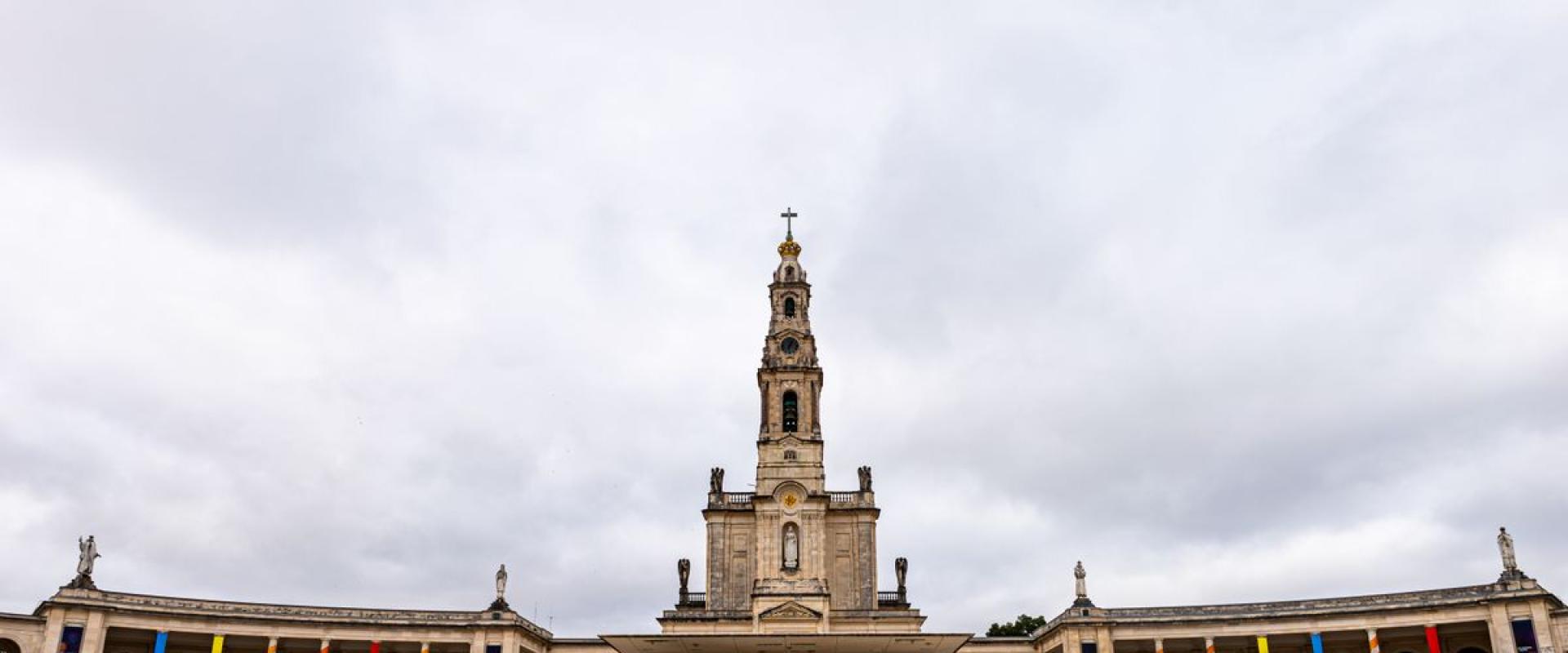
The heart of Fátima is the Sanctuary of Our Lady of Fátima, a spiritual center encompassing the neoclassical Basilica of Our Lady of the Rosary, the modern Basilica of the Holy Trinity, and the Chapel of the Apparitions, built on the exact spot where the Virgin is said to have appeared. The sanctuary’s vast esplanade can accommodate hundreds of thousands of worshippers, and candlelight processions held in the evenings create a moving and unforgettable experience. The tombs of the three visionaries are located in the Basilica of Our Lady of the Rosary, and pilgrims often pause to pay their respects and offer prayers.
Fátima’s religious significance is complemented by a range of museums and cultural sites. The Museum of the Sanctuary of Fátima displays artifacts, gifts, and documents related to the apparitions and the global devotion to Our Lady of Fátima. The Wax Museum and the Museum of the Life of Christ offer immersive exhibits that bring the story of Fátima and Christian history to life. The nearby homes of the shepherd children in Aljustrel and the Via Sacra (Way of the Cross) walking path through the olive groves provide further opportunities for reflection and connection.
The town’s atmosphere is peaceful and welcoming, with tree-lined avenues, quiet parks, and a variety of hotels, guesthouses, and restaurants catering to visitors. Local cuisine features hearty Portuguese dishes, pastries, and regional wines. Fátima is also a base for exploring the surrounding region, including the caves of Mira de Aire, the medieval town of Ourém, and the UNESCO-listed monasteries of Batalha and Alcobaça.
Getting to Fátima is straightforward, with frequent buses from Lisbon (about 1.5 hours) and other major cities. The town is compact and walkable, with most attractions located within or near the sanctuary complex. During major pilgrimage dates, advance booking for accommodation is essential due to high demand.
The best time to visit Fátima is during spring (April-May) or autumn (September-October), when the weather is mild and the town’s spiritual events are at their peak. Off-peak months (November to March) offer a quieter, more contemplative experience, while summer brings warm weather and larger crowds. Whether you are a pilgrim, a seeker, or a curious traveler, Fátima promises a profound and memorable journey into Portugal’s spiritual heart.
Best Time to Visit
Spring (April-May) and autumn (September-October) offer mild weather and vibrant spiritual events; off-peak months are quieter for reflection and sightseeing.
Plan Your Visit to Fátima
Essential travel tips and information for your trip to Fátima.
Travel Tips
Currency
Euro (EUR) • Cards widely accepted
Language
Portuguese • English in tourist areas
WiFi
Free WiFi in cafes and hotels
Explore Fátima by Interest
Discover attractions and experiences in Fátima organized by your interests and travel preferences.
Interest categories coming soon
We're working on organizing attractions by interest categories for Fátima. Check back soon for curated experiences.
Quick Facts
Book your stay
More destinations in Lisbon Metropolitan Area
Explore other amazing places in the Lisbon Metropolitan Area region