

Madeira
Volcanic island with lush mountains and ocean views
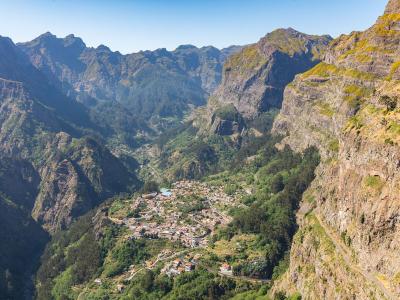
Madeira, an autonomous region of Portugal, is a volcanic archipelago located in the North Atlantic, about 1,000 kilometers southwest of mainland Europe. The main island of Madeira, together with Porto Santo and several uninhabited islets, forms a lush and mountainous landscape that has captivated travelers for centuries. Settled by the Portuguese in the early 15th century, Madeira quickly became an important stopover for explorers and traders, renowned for its sugar cane, wine, and later, its flourishing tourism industry.
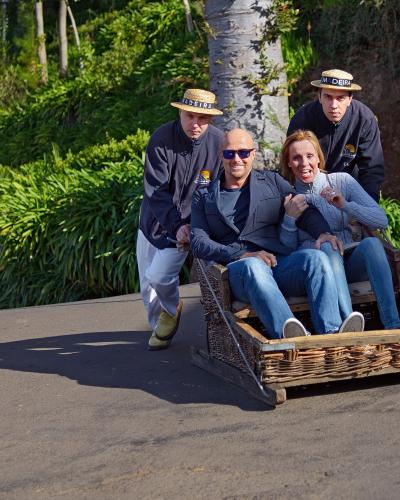
The capital, Funchal, is a vibrant city set against a backdrop of steep hills and the Atlantic Ocean. Its historic old town features cobbled streets, colorful markets like the Mercado dos Lavradores, and landmarks such as the Sé Cathedral and São Tiago Fortress. Funchal’s botanical gardens, including the Monte Palace Tropical Garden and Madeira Botanical Garden, showcase the island’s extraordinary plant diversity. Visitors can reach the hilltop suburb of Monte by cable car, enjoying panoramic views, and descend via the famous wicker toboggan ride.
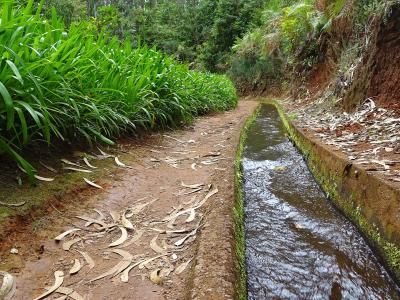
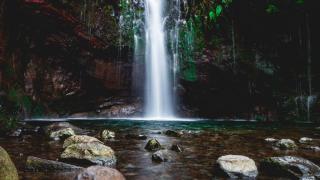
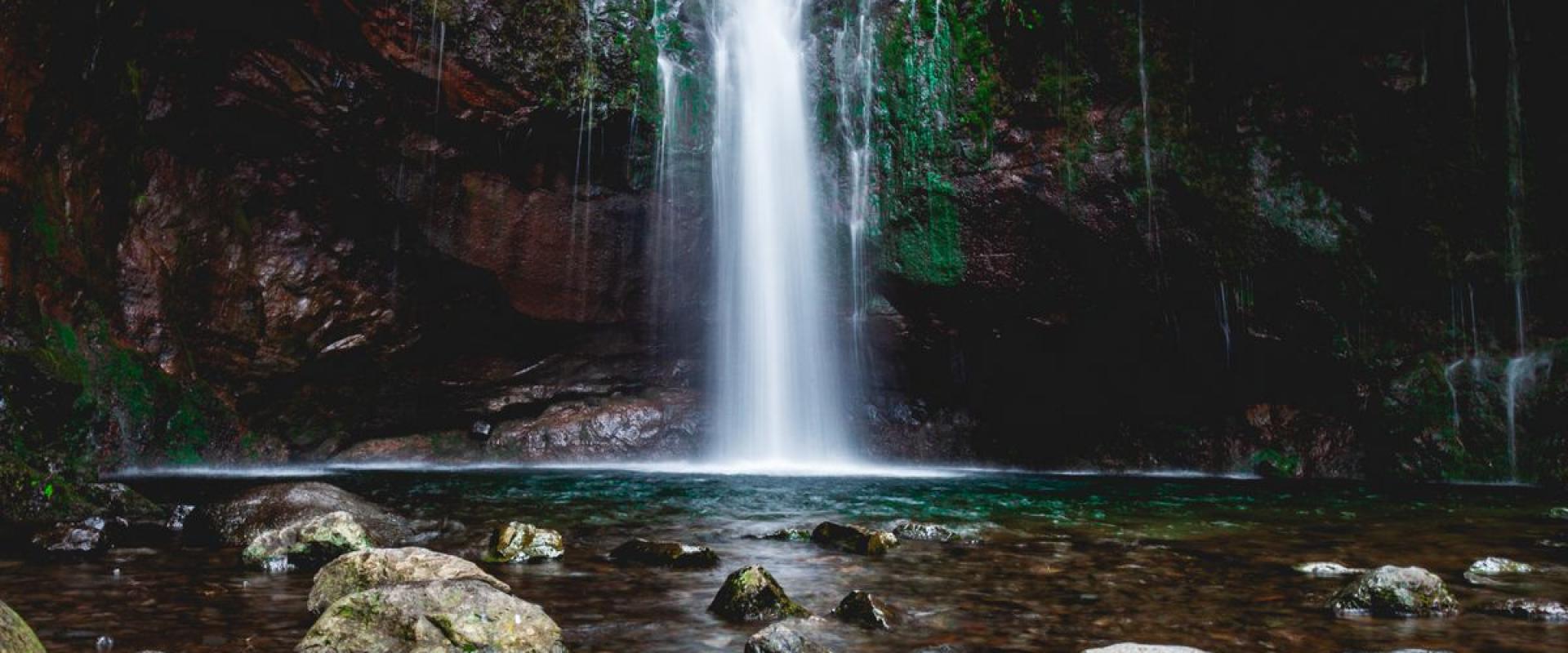
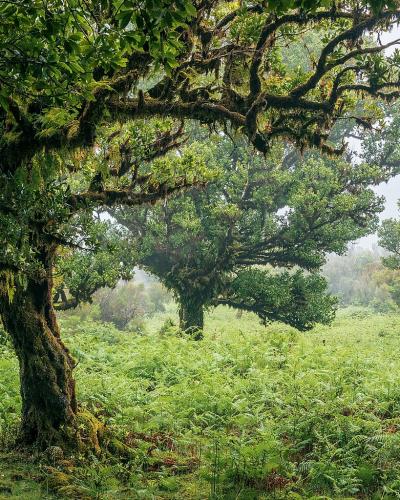
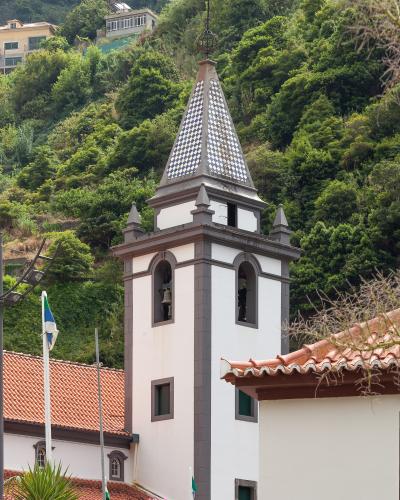
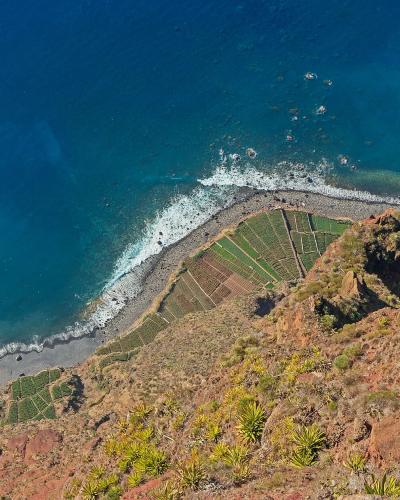
Madeira’s natural wonders are among its greatest attractions. The island is crisscrossed by a network of levadas—historic irrigation channels that double as scenic hiking trails. Popular routes include the Levada do Caldeirão Verde, leading through laurel forests to waterfalls, and the challenging trek to Pico Ruivo, Madeira’s highest peak at 1,862 meters. The rugged north coast is dotted with picturesque villages like Santana, known for its traditional triangular houses, and São Vicente, with its volcanic caves and church perched above the sea.
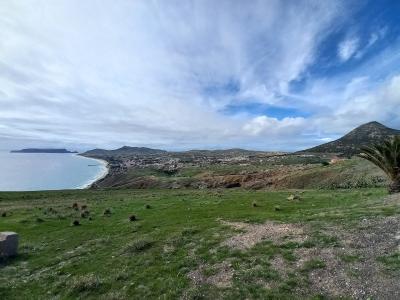
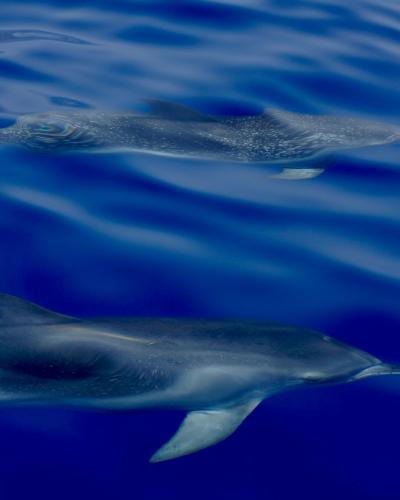
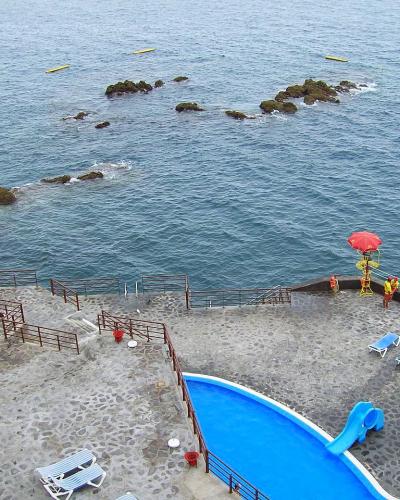
Outdoor activities abound, from canyoning in mountain streams and paragliding over lush valleys to kayaking and dolphin watching along the coast. The natural swimming pools at Porto Moniz, formed by volcanic rock, offer a unique place to swim in crystal-clear Atlantic waters. Madeira’s beaches are mostly pebbly or black sand, with the exception of the golden sands of Porto Santo Island, a short ferry ride away.
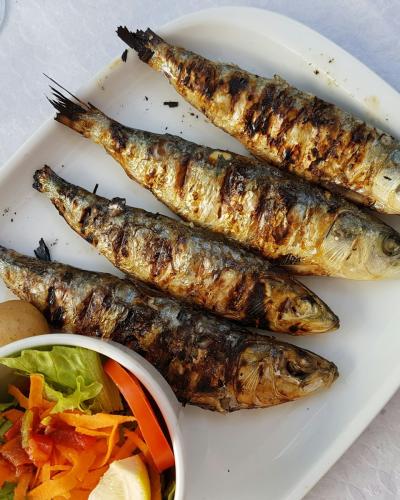
Madeira’s culinary scene is a highlight, with fresh seafood, espetada (beef skewers), bolo do caco (garlic bread), and exotic fruits like passion fruit and bananas. The island’s namesake wine, Madeira, is world-famous and can be sampled at local wine lodges and cellars.
Getting to Madeira is easy, with direct flights from major European cities to Cristiano Ronaldo International Airport near Funchal. The island’s compact size makes it ideal for exploring by car, with scenic drives along winding mountain roads and coastal cliffs. Public buses connect major towns and attractions, though a car offers greater flexibility for reaching remote areas.
The best time to visit Madeira is from June to September, when the weather is warm, dry, and ideal for outdoor activities and festivals. However, the island’s subtropical climate ensures mild temperatures and lush landscapes year-round, making it a great destination in any season. Spring (April-May) is especially beautiful, with blooming flowers and vibrant greenery. Whether you seek adventure, relaxation, or cultural discovery, Madeira offers an unforgettable experience in the heart of the Atlantic.
Best Time to Visit
June to September offers warm, dry weather for hiking and festivals, but Madeira’s mild climate and lush scenery make it enjoyable year-round.
Plan Your Visit to Madeira
Essential travel tips and information for your trip to Madeira.
Travel Tips
Currency
Euro (EUR) • Cards widely accepted
Language
Portuguese • English in tourist areas
WiFi
Free WiFi in cafes and hotels
Explore Madeira by Interest
Discover attractions and experiences in Madeira organized by your interests and travel preferences.




All attractions in Madeira
Sorted by our recommendation score


Quick Facts
Book your stay
More destinations in Madeira
Explore other amazing places in the Madeira region