


Évora
UNESCO city with Roman temple, medieval walls, and bone chapel
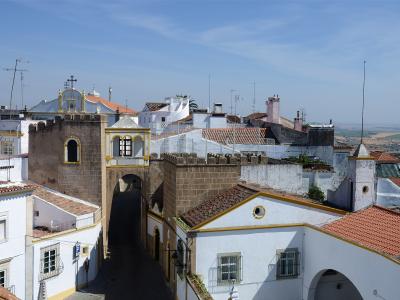
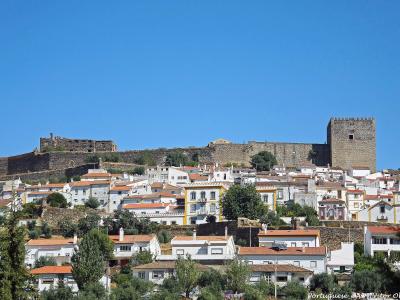
Évora’s story spans more than two millennia, making it one of Portugal’s most historic and atmospheric cities. Founded by the Romans in the 1st century BC, Évora flourished as a provincial capital, leaving behind enduring monuments such as the iconic Temple of Diana, with its Corinthian columns standing proudly in the city center. The city later became a Moorish stronghold before being reclaimed by Christian forces in the 12th century, ushering in a golden age as a royal residence and cultural hub.
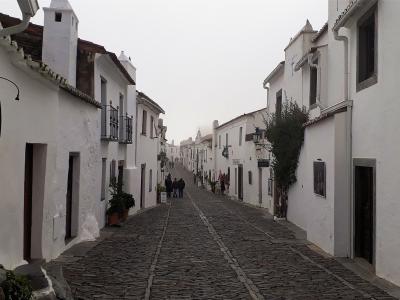
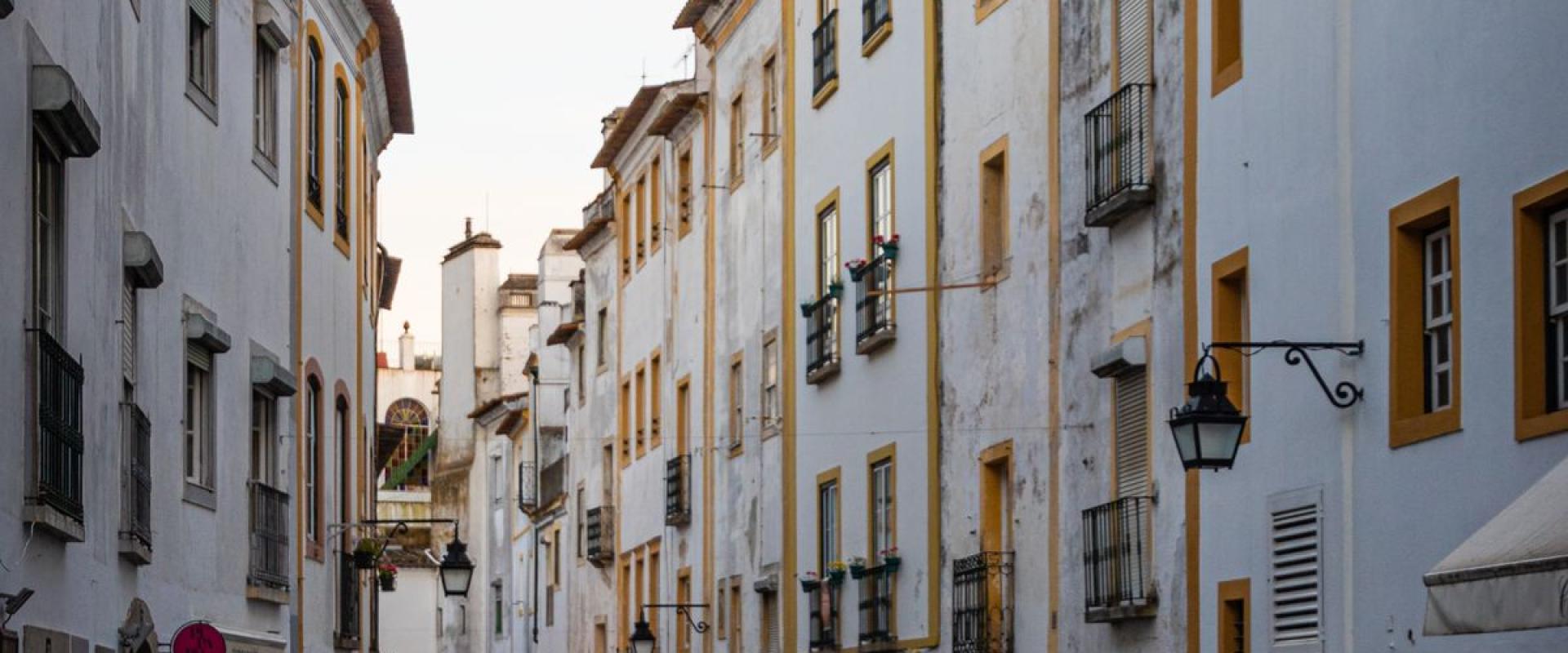
The heart of Évora is its UNESCO-listed old town, where narrow alleys open onto sun-drenched squares and architectural treasures. The Sé Cathedral, one of Portugal’s largest Gothic churches, offers panoramic views from its rooftop and houses a remarkable collection of religious art. The Church of São Francisco is famous for its macabre Capela dos Ossos (Chapel of Bones), where thousands of human skulls and bones line the walls—a haunting reminder of mortality and a unique site in European religious architecture.
Évora’s Roman heritage is visible throughout the city, from the ancient aqueduct to the well-preserved city walls. The University of Évora, founded in 1559, adds a youthful energy to the city, while the Museu de Évora showcases regional art, archaeology, and ethnography. The city’s lively markets and traditional taverns invite visitors to sample Alentejo’s renowned cuisine, including black pork, sheep’s cheese, and local wines.
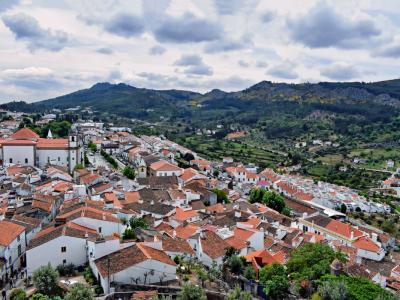
Beyond the city walls, Évora is surrounded by a landscape of rolling plains, cork oak forests, and vineyards. Day trips to nearby megalithic sites, such as the Almendres Cromlech, reveal the region’s prehistoric past. Cycling and walking routes wind through the countryside, offering opportunities to explore olive groves, whitewashed villages, and rural estates.
Getting to Évora is easy, with frequent trains and buses from Lisbon (about 1.5 hours) and good road connections. The city is compact and walkable, though a car is useful for exploring the wider Alentejo. Accommodation ranges from boutique hotels in historic mansions to rural guesthouses and modern apartments.
The best time to visit Évora is during spring (March to May) or autumn (September to October), when the weather is mild and the countryside is lush. Summers can be hot, while winters are generally mild and quieter, ideal for exploring museums and historic sites. Whether you’re drawn by the Roman ruins, the medieval streets, or the flavors of Alentejo, Évora promises a memorable and multifaceted Portuguese experience.
Best Time to Visit
Spring (March-May) and autumn (September-October) offer mild weather, lush countryside, and ideal conditions for exploring Évora’s historic sites and surroundings.
Plan Your Visit to Évora
Essential travel tips and information for your trip to Évora.
Travel Tips
Currency
Euro (EUR) • Cards widely accepted
Language
Portuguese • English in tourist areas
WiFi
Free WiFi in cafes and hotels
Explore Évora by Interest
Discover attractions and experiences in Évora organized by your interests and travel preferences.
Interest categories coming soon
We're working on organizing attractions by interest categories for Évora. Check back soon for curated experiences.
Quick Facts
Book your stay
More destinations in Alentejo
Explore other amazing places in the Alentejo region