

Terceira
Volcanic island with UNESCO city, caves, and lush pastures
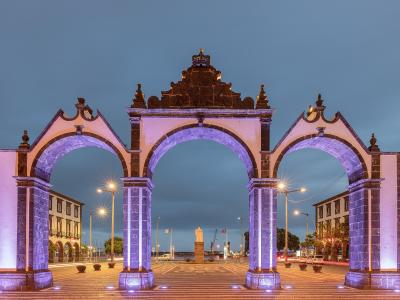
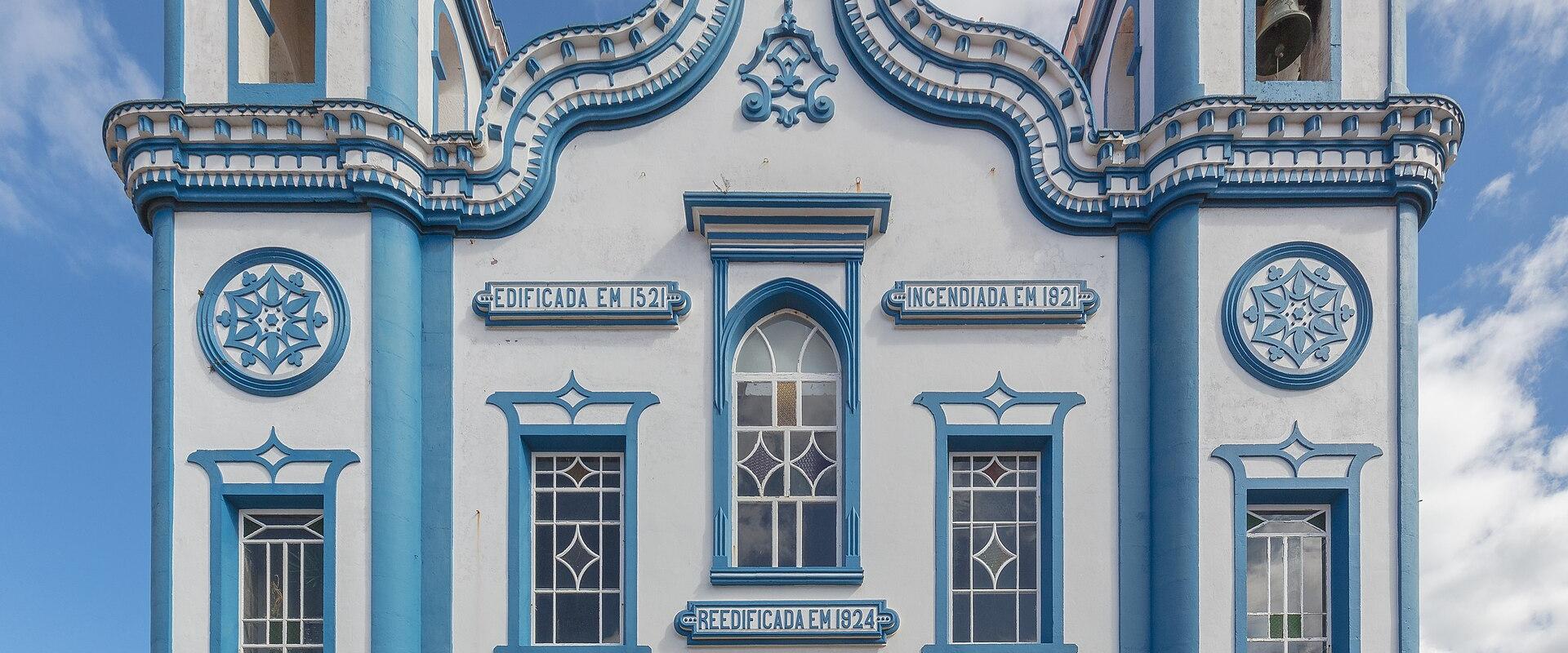
Terceira, meaning 'the third,' was the third island discovered in the Azores and is now one of the archipelago’s most dynamic and culturally rich destinations. The island’s history is anchored in Angra do Heroísmo, a UNESCO World Heritage city that served as a vital port for transatlantic voyages from the 15th century onward. Angra’s cobbled streets, pastel-hued houses, and grand churches reflect centuries of maritime trade, religious devotion, and strategic importance. The Sé Cathedral, Capitães-Generais Palace, and the 16th-century fortress of São João Baptista are among the city’s architectural highlights.
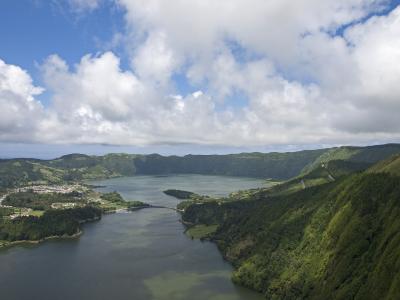
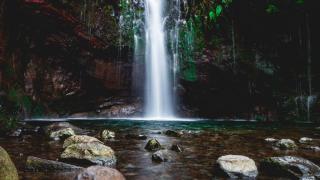
Beyond Angra, Terceira’s volcanic origins are evident in its dramatic landscapes. The Algar do Carvão, a remarkable lava tube and volcanic chimney, invites visitors to descend into its depths to see stalactites, mineral pools, and lush mosses. The Gruta do Natal is another fascinating cave, while the Mistérios Negros hiking trail leads through volcanic craters and endemic forests. Monte Brasil, a volcanic peninsula overlooking Angra, offers panoramic views, walking trails, and remnants of ancient fortifications.
Terceira’s coastline is dotted with natural swimming pools, scenic viewpoints, and small fishing villages. Praia da Vitória, the island’s second town, boasts a long sandy beach, marina, and lively summer festivals. The island’s underwater archaeological park in Angra’s bay is a draw for snorkelers and divers, with shipwrecks and marine life to discover.
Cultural traditions are at the heart of Terceira’s identity. The island is famous for its colorful festivals, especially the Sanjoaninas in June, which fill the streets with parades, music, and fireworks. Bull-running events, known as touradas à corda, are a unique local spectacle, while folk music and dance enliven village celebrations. Terceira’s cuisine features fresh seafood, Alcatra (a slow-cooked beef stew), local cheeses, and sweet pastries, best enjoyed in traditional restaurants and family-run taverns.
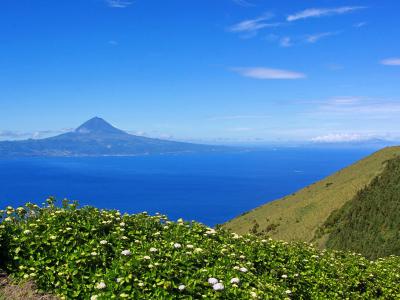
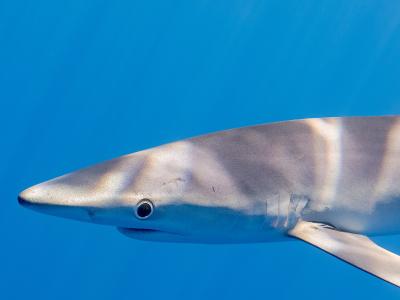
Outdoor activities abound, from hiking and cycling to whale watching and boat tours. The island’s rolling pastures and laurel forests are home to endemic plants and birds, while the surrounding Atlantic offers excellent conditions for sailing, fishing, and surfing.
Getting to Terceira is easy, with direct flights from Lisbon, Porto, and other Azorean islands to Lajes Airport. Ferries connect Terceira to neighboring islands during the summer. The island is compact and easy to explore by car, with well-maintained roads and scenic drives.
The best time to visit Terceira is from May to October, when the weather is mild, the landscapes are lush, and festivals bring the island to life. Spring and early autumn offer pleasant temperatures and fewer crowds, while summer is peak season for events and outdoor activities. The island’s climate is mild and changeable year-round, so visitors should be prepared for sun, rain, and mist in a single day. Whether you’re drawn by the history, the caves, or the vibrant culture, Terceira promises a memorable Azorean adventure.
Best Time to Visit
May to October offers mild weather, lush scenery, and vibrant festivals—ideal for hiking, exploring caves, and enjoying Terceira’s cultural events.
Plan Your Visit to Terceira
Essential travel tips and information for your trip to Terceira.
Travel Tips
Currency
Euro (EUR) • Cards widely accepted
Language
Portuguese • English in tourist areas
WiFi
Free WiFi in cafes and hotels
Explore Terceira by Interest
Discover attractions and experiences in Terceira organized by your interests and travel preferences.
Interest categories coming soon
We're working on organizing attractions by interest categories for Terceira. Check back soon for curated experiences.
Quick Facts
Book your stay
More destinations in Azores
Explore other amazing places in the Azores region