


Pico
Volcanic island with Portugal’s highest peak and UNESCO vineyards
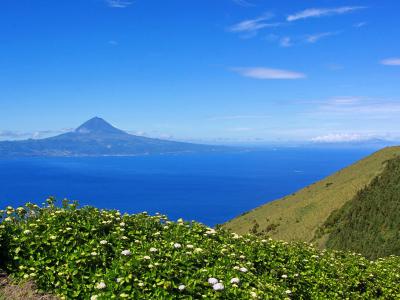
Pico Island, the second largest in the Azores, is a land of volcanic majesty and cultural richness. Its defining feature is Mount Pico, a dormant volcano that rises dramatically above the island and is visible from neighboring Faial and São Jorge. The mountain has long been a symbol of the Azores and a magnet for hikers and climbers, who ascend its slopes for panoramic views across the archipelago. The climb to the summit is challenging but rewarding, with sunrise and sunset hikes offering unforgettable experiences.
Pico’s volcanic origins have shaped its landscapes and traditions. The island’s UNESCO World Heritage vineyards are a testament to human ingenuity, with stone walls (currais) built from black lava rock to protect vines from wind and salt. The Pico Island Vineyard Culture is unique in the world, and visitors can explore the historic Vinhas da Criação Velha, tour wine cellars, and sample the island’s renowned Verdelho wines at local adegas (wine lodges).
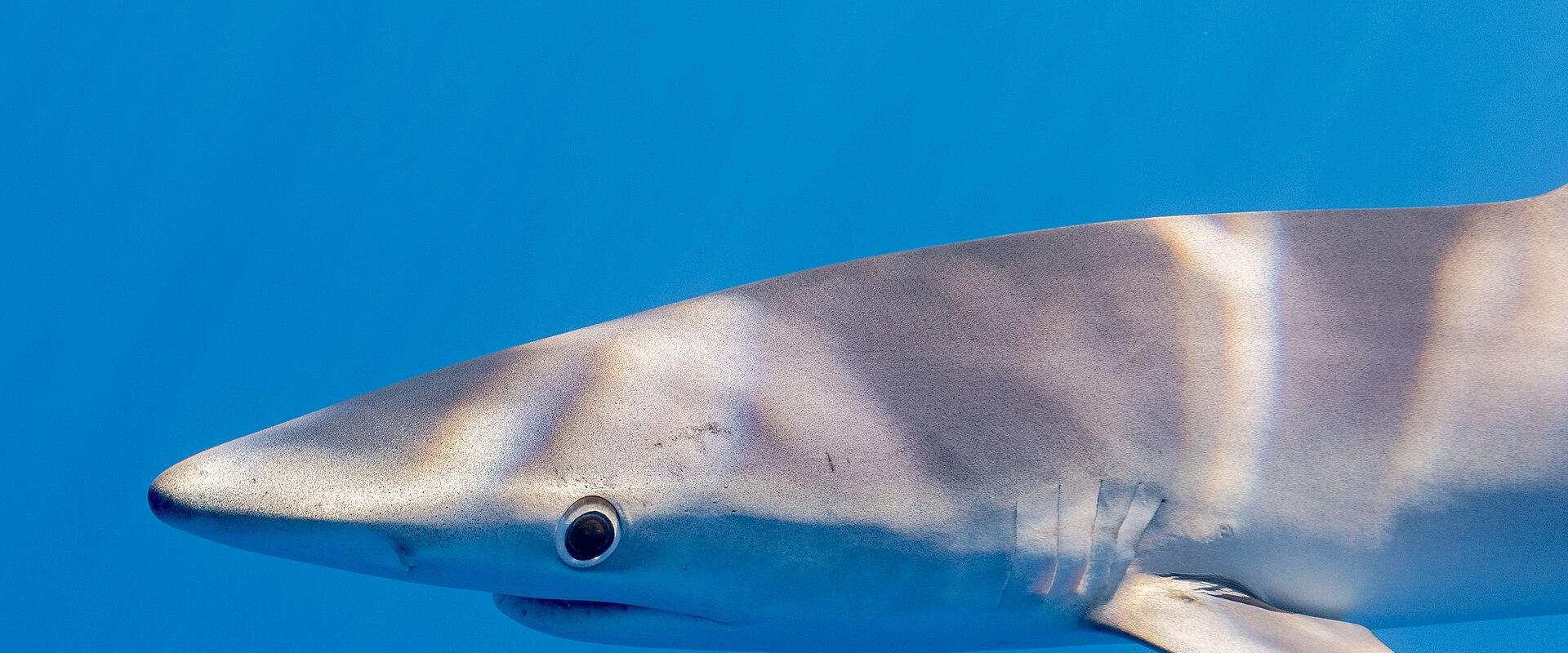
The island’s connection to the sea is equally strong. Pico was once a center of the Azorean whaling industry, and its history is preserved in the Whaling Museum in Lajes do Pico and the Whalers’ Museum in São Roque. Today, Pico is one of the best places in the Azores for whale and dolphin watching, with boat tours departing from Madalena and Lajes do Pico to spot sperm whales, blue whales, and playful dolphins in the surrounding waters.
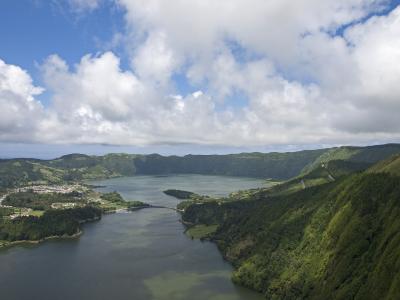
Nature lovers will find plenty to explore beyond the mountain. The Gruta das Torres, the longest lava tube in Portugal, offers guided tours through underground volcanic tunnels. The island’s forests, crater lakes, and coastal trails are ideal for hiking, birdwatching, and photography. The São João Forest Reserve and the Lagoa do Capitão are popular spots for picnics and scenic walks.
Pico’s villages are charming and authentic, with whitewashed houses, basalt churches, and friendly locals. Madalena, the island’s main town, is a lively hub with restaurants, shops, and ferry connections to Faial. The island’s gastronomy features fresh seafood, local cheeses, and traditional dishes such as octopus stew and limpets.
Getting to Pico is easy, with direct flights from Lisbon and other Azorean islands to Pico Airport. Ferries connect Pico to Faial and São Jorge, making island-hopping convenient. Car rentals are recommended for exploring the island’s diverse landscapes and remote attractions.
The best time to visit Pico is from May to October, when the weather is mild, the vineyards are lush, and whale watching is at its peak. Summer brings festivals and lively events, while spring and autumn offer quieter trails and blooming wildflowers. The island’s weather can be changeable, so visitors should come prepared for sun, rain, and mist in a single day. Whether you’re climbing Mount Pico, tasting volcanic wines, or watching whales breach offshore, Pico promises an unforgettable Azorean adventure.
Best Time to Visit
May to October offers mild weather, lush vineyards, and optimal conditions for hiking, whale watching, and exploring Pico’s volcanic landscapes.
Plan Your Visit to Pico
Essential travel tips and information for your trip to Pico.
Travel Tips
Currency
Euro (EUR) • Cards widely accepted
Language
Portuguese • English in tourist areas
WiFi
Free WiFi in cafes and hotels
Explore Pico by Interest
Discover attractions and experiences in Pico organized by your interests and travel preferences.
Interest categories coming soon
We're working on organizing attractions by interest categories for Pico. Check back soon for curated experiences.
Quick Facts
Book your stay
More destinations in Azores
Explore other amazing places in the Azores region