

Castelo de Vide
Hilltop medieval town with hot springs and gardens
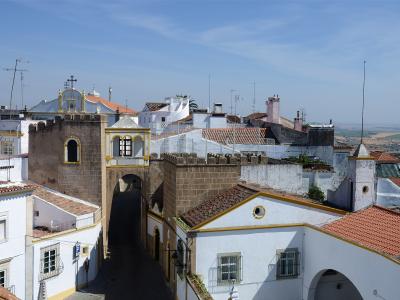
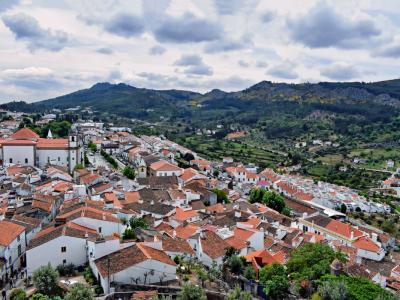
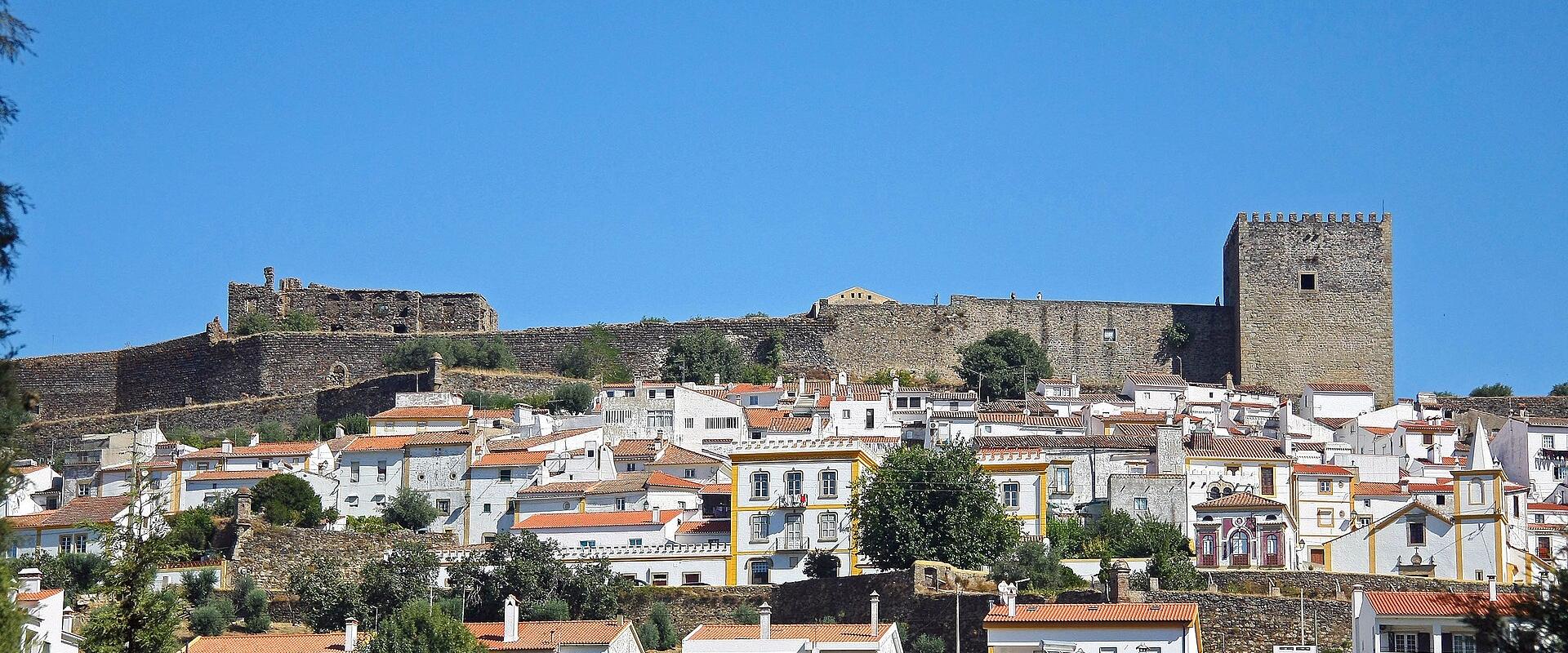
Nestled in the northern reaches of Portugal’s Alentejo region, Castelo de Vide is a captivating destination that seamlessly blends history, culture, and natural beauty. Perched on a steep hill near the Spanish border, the town is often described as one of Portugal’s most picturesque and best-preserved medieval settlements. Its origins date back to Roman times, but Castelo de Vide flourished during the Middle Ages, particularly under King Dinis in the 13th and 14th centuries, who fortified the town and built the iconic castle that still dominates the skyline. The town’s strategic location made it a vital defensive outpost, and its walls have witnessed centuries of border conflicts and cultural exchanges.
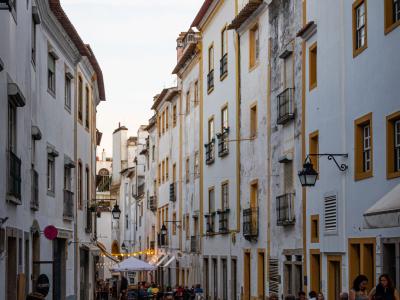
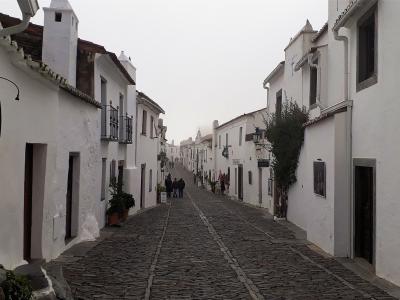
A stroll through Castelo de Vide’s labyrinthine streets reveals a wealth of architectural and historical treasures. The medieval castle, Castelo de Vide’s namesake, offers panoramic views over the town and surrounding countryside. Within its walls, visitors can explore remnants of ancient fortifications and a small museum detailing the town’s storied past. Below the castle lies the atmospheric Jewish quarter, one of the best-preserved in Portugal, where narrow alleys are lined with whitewashed houses and the 14th-century Synagogue of Castelo de Vide, now a museum, tells the story of the Jewish community that once thrived here.
Other notable attractions include the Fonte da Vila, a Renaissance-era fountain renowned for its mineral-rich waters, and the Igreja de Santa Maria da Devesa, an impressive 18th-century church with a striking baroque façade. The town is also famous for its natural hot springs, whose reputed healing properties have drawn visitors for centuries. Peaceful gardens and flower-filled squares, such as Praça Dom Pedro V, invite relaxation and provide a glimpse into local life.
Beyond sightseeing, Castelo de Vide offers a range of activities. Nature lovers can hike or cycle through the surrounding Serra de São Mamede Natural Park, discovering megalithic monuments, rolling hills, and diverse flora and fauna. The region’s mild climate makes outdoor pursuits enjoyable for much of the year. Food enthusiasts can sample Alentejo’s renowned cuisine in local taverns, savoring dishes like migas, lamb stew, and regional cheeses, often accompanied by excellent local wines.
Getting to Castelo de Vide is straightforward. The town is accessible by car from Lisbon (about 2.5 hours) or Porto (about 3.5 hours), with scenic drives through the Alentejo countryside. Public buses connect Castelo de Vide to nearby towns such as Portalegre and Marvão, though having a car provides greater flexibility for exploring the region.
The best time to visit Castelo de Vide is during spring (March to May) or autumn (September to November), when temperatures are pleasant and the landscape is lush and green. Summers can be hot, with daytime highs often exceeding 30°C (86°F), while winters are mild but can be chilly, especially at night. The town is particularly lively during local festivals, such as Easter, when traditional processions fill the streets.
Whether you’re drawn by its medieval charm, historical significance, or tranquil setting, Castelo de Vide promises an authentic and enriching travel experience in the heart of Portugal’s Alentejo.
Best Time to Visit
Spring (March-May) and autumn (September-November) offer mild weather and lush scenery, ideal for exploring and outdoor activities.
Plan Your Visit to Castelo de Vide
Essential travel tips and information for your trip to Castelo de Vide.
Travel Tips
Currency
Euro (EUR) • Cards widely accepted
Language
Portuguese • English in tourist areas
WiFi
Free WiFi in cafes and hotels
Explore Castelo de Vide by Interest
Discover attractions and experiences in Castelo de Vide organized by your interests and travel preferences.
Interest categories coming soon
We're working on organizing attractions by interest categories for Castelo de Vide. Check back soon for curated experiences.
Quick Facts
Book your stay
More destinations in Alentejo
Explore other amazing places in the Alentejo region