


Chaves
Roman spa town with castle, bridge, and hot springs
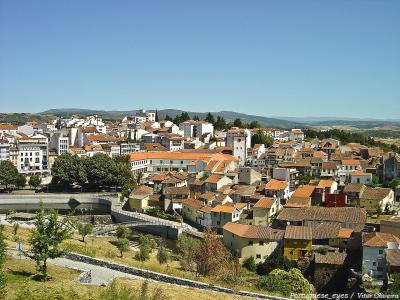
Chaves, meaning 'keys' in Portuguese, has long held the key to the northern frontier of Portugal. Its origins date back to Roman times, when it was known as Aquae Flaviae, a settlement famed for its healing hot springs and strategic location near the Spanish border. The Romans left an enduring legacy, most notably the Ponte de Trajano, a 1st-century stone bridge that still spans the Tâmega River and is adorned with ancient milestones. The town’s thermal waters, emerging at 73°C, have been prized for their therapeutic properties for centuries, and today visitors can enjoy modern spa facilities built around these historic springs.
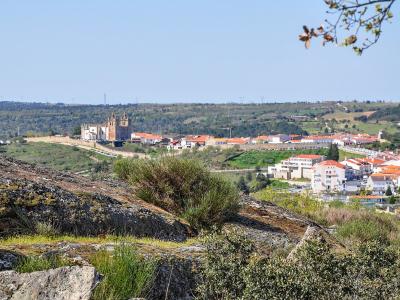
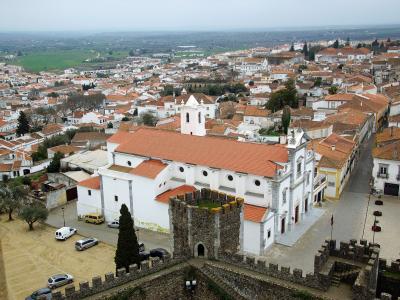
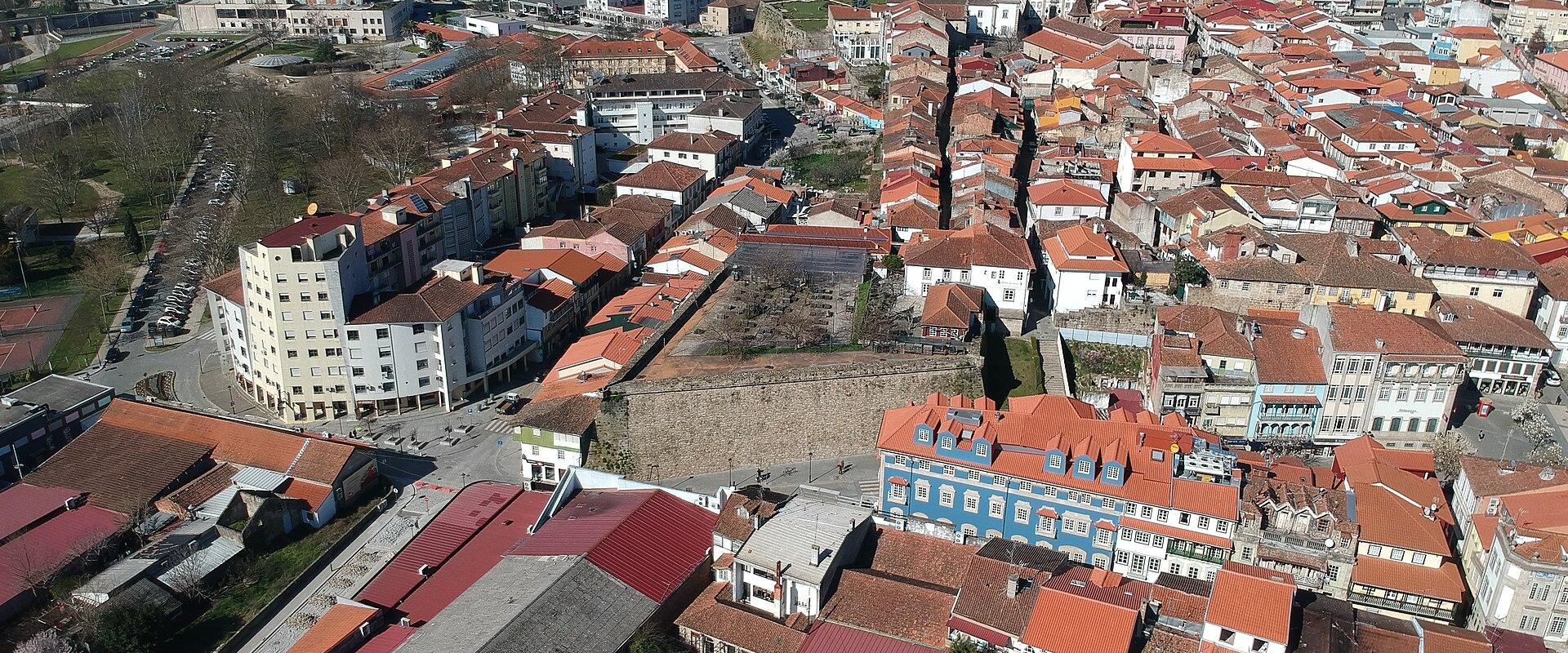
The medieval heart of Chaves is a delight to explore. The imposing Castelo de Chaves, with its 14th-century keep, offers panoramic views over the town and river. The surrounding old town is a maze of narrow streets, colorful houses, and lively squares such as Praça de Camões, where locals gather at cafés and markets. The Igreja Matriz de Santa Maria Maior, with its Romanesque origins and later Baroque embellishments, stands as a testament to the town’s layered history. The Forte de São Francisco and Forte de Nossa Senhora do Rosário are reminders of Chaves’ military significance, especially during the Peninsular Wars.
Chaves is also known for its culinary traditions, including the famous pastel de Chaves (a flaky meat pastry), smoked sausages, and hearty northern dishes. Local restaurants and taverns offer a warm welcome and a taste of regional wines and flavors. The town’s spa culture remains vibrant, with the Termas de Chaves offering wellness treatments, thermal pools, and relaxation in a historic setting.
Outdoor enthusiasts will find plenty to do in the surrounding Alto Tâmega region. Hiking and cycling trails wind through rolling hills, forests, and along the riverbanks. Day trips to the nearby Vidago Palace, the Barroso mountains, or the Spanish town of Verín are easily arranged. Chaves also hosts festivals, markets, and cultural events throughout the year, celebrating its rich heritage and lively community.
Getting to Chaves is straightforward, with good road connections to Porto (about 2 hours by car) and regular bus services from major northern cities. The town is compact and walkable, though a car is useful for exploring the wider region. Accommodation options range from historic hotels and spa resorts to rural guesthouses and modern apartments.
The best time to visit Chaves is from April to October, when the weather is warm and ideal for sightseeing, spa visits, and outdoor activities. Spring and early autumn offer mild temperatures and fewer crowds, while summer brings lively festivals and long, sunny days. Winters are cooler and quieter, perfect for a relaxing spa retreat. Whether you’re drawn by the Roman ruins, the hot springs, or the welcoming northern spirit, Chaves promises a memorable and multifaceted Portuguese experience.
Best Time to Visit
April to October offers warm, pleasant weather for exploring Chaves’ historic sites, enjoying the hot springs, and outdoor activities in the Alto Tâmega region.
Plan Your Visit to Chaves
Essential travel tips and information for your trip to Chaves.
Travel Tips
Currency
Euro (EUR) • Cards widely accepted
Language
Portuguese • English in tourist areas
WiFi
Free WiFi in cafes and hotels
Explore Chaves by Interest
Discover attractions and experiences in Chaves organized by your interests and travel preferences.
Interest categories coming soon
We're working on organizing attractions by interest categories for Chaves. Check back soon for curated experiences.
Quick Facts
Book your stay
More destinations in Trás-os-Montes
Explore other amazing places in the Trás-os-Montes region