

Beja
Alentejo hilltop city with medieval castle and Roman roots
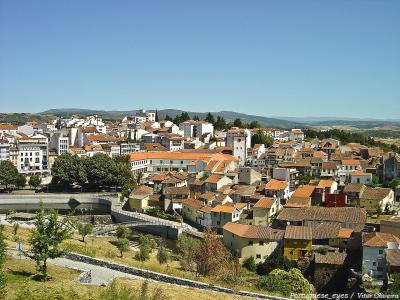
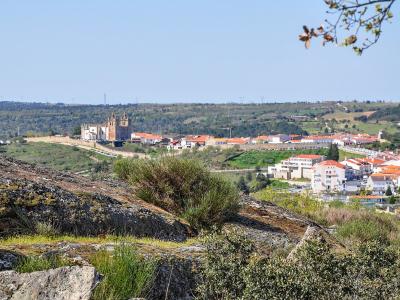
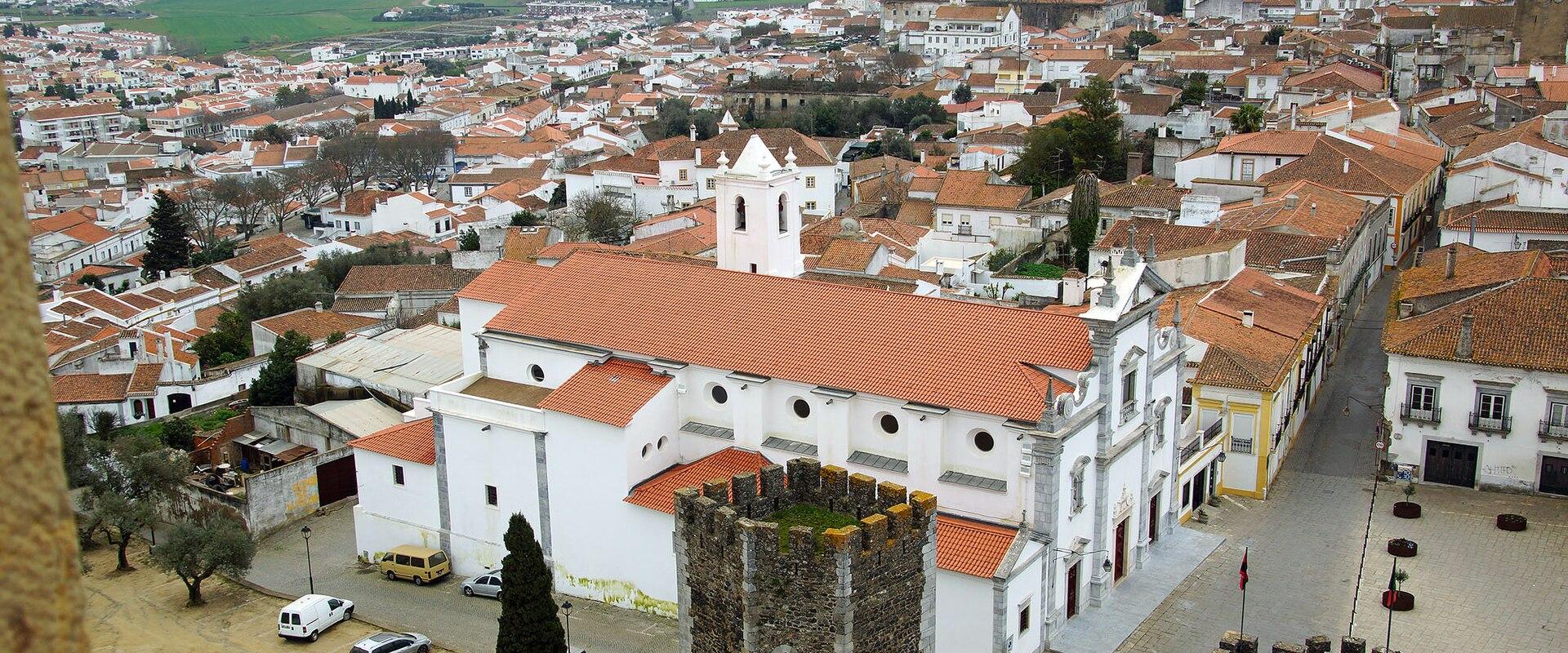
Beja, the capital of Portugal’s Baixa Alentejo, is a city where layers of history and culture converge on a sun-drenched hilltop. Its origins date back to Roman times, when it was known as Pax Julia, a settlement established by Julius Caesar to mark the end of local resistance. Over the centuries, Beja flourished as a Visigothic, Moorish, and later Christian stronghold, each era leaving its mark on the city’s architecture and traditions. The medieval Castelo de Beja, with its iconic Torre de Menagem (keep), is the city’s most prominent landmark. Climbing the tower rewards visitors with sweeping views of the surrounding plains, vineyards, and distant mountains—a testament to Beja’s strategic importance through the ages.
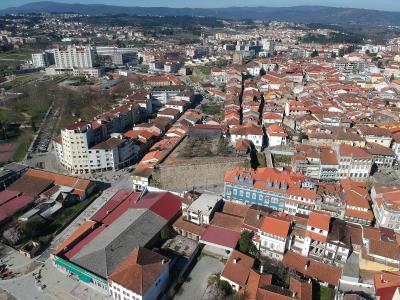
The city’s historic center is a maze of narrow streets, whitewashed houses, and inviting squares. The Praça da República, Beja’s main square, is lined with cafes and shops and serves as the social heart of the city. Nearby, the Igreja de Santo Amaro is one of Portugal’s few surviving pre-Romanesque churches, now housing the Visigothic Museum with a remarkable collection of early Christian artifacts. The Museu Regional de Beja, set in the former Convento da Conceição, showcases art, archaeology, and the famous 'Letters of a Portuguese Nun,' a literary treasure of the 17th century.
Beja’s cultural life is vibrant, with regular festivals, markets, and open-air concerts celebrating Alentejo’s music, crafts, and gastronomy. Local cuisine features hearty stews, black pork, sheep’s cheese, and regional wines, best enjoyed in traditional taverns or at the city’s acclaimed restaurants. The city’s relaxed pace and friendly atmosphere make it easy to linger and soak up the Alentejo way of life.
Nature lovers will find plenty to explore in the surrounding countryside. The region is known for its rolling wheat fields, olive groves, and cork oak forests, as well as river beaches like Cinco Reis. Cycling and walking trails wind through the landscape, and nearby villages offer further glimpses into rural traditions. Day trips to the Guadiana Valley Natural Park or the historic towns of Serpa and Mértola are easily arranged.
Getting to Beja is straightforward, with regular trains and buses connecting the city to Lisbon (about 2 hours) and other Alentejo towns. The city is compact and walkable, with most attractions located within the historic center. Accommodation options range from boutique hotels in restored mansions to rural guesthouses and modern apartments.
The best time to visit Beja is during spring (mid-April to mid-June) and autumn (mid-September to early October), when the weather is warm but not too hot, and the countryside is lush and green. Summers can be very hot, while winters are mild and quieter. Whether you are drawn by the history, the food, or the golden landscapes, Beja promises a memorable and authentic Alentejo experience.
Best Time to Visit
Spring (mid-April to mid-June) and autumn (mid-September to early October) offer warm, pleasant weather and vibrant countryside for exploring Beja.
Plan Your Visit to Beja
Essential travel tips and information for your trip to Beja.
Travel Tips
Currency
Euro (EUR) • Cards widely accepted
Language
Portuguese • English in tourist areas
WiFi
Free WiFi in cafes and hotels
Explore Beja by Interest
Discover attractions and experiences in Beja organized by your interests and travel preferences.
Interest categories coming soon
We're working on organizing attractions by interest categories for Beja. Check back soon for curated experiences.
Quick Facts
Book your stay
More destinations in Trás-os-Montes
Explore other amazing places in the Trás-os-Montes region