



Paul do Boquilobo
UNESCO wetland reserve with birdwatching and tranquil trails
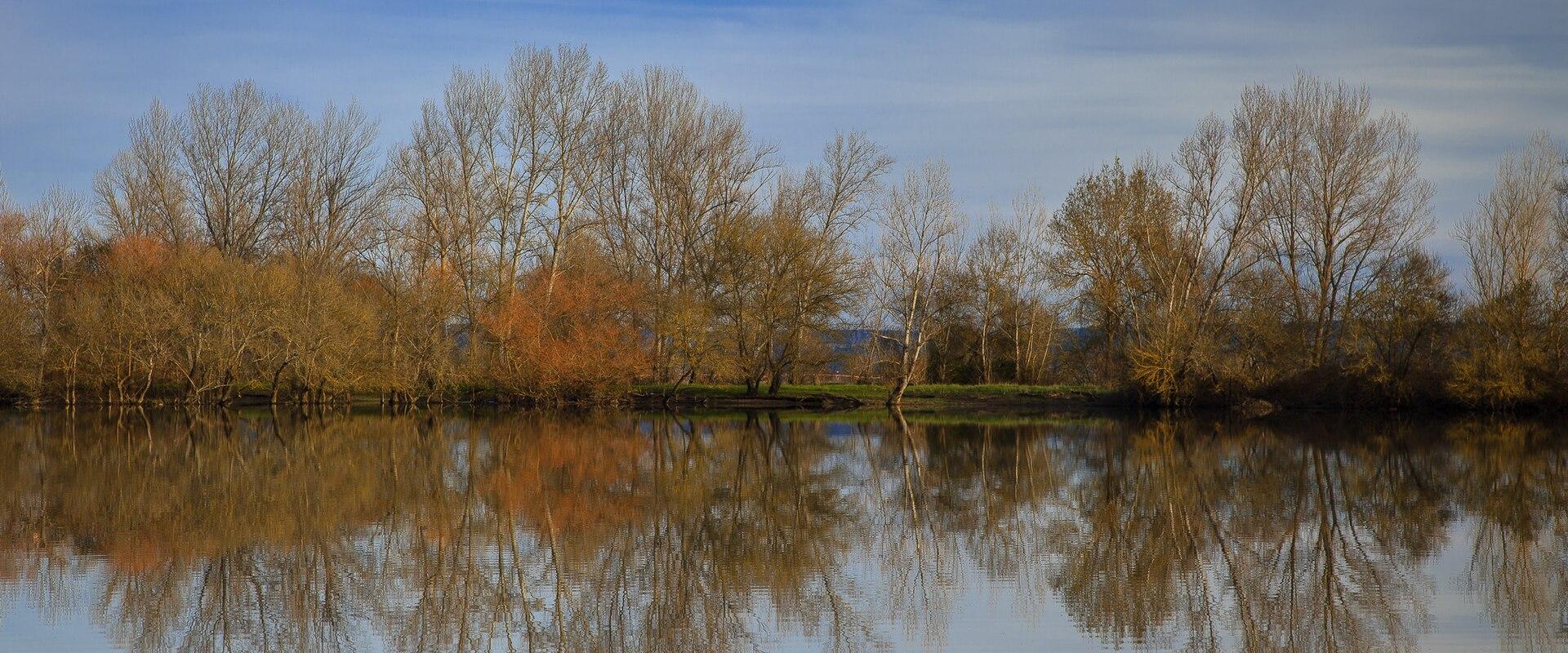
Paul do Boquilobo, officially known as the Boquilobo Bog Natural Reserve, is one of Portugal’s most important wetland ecosystems and a designated UNESCO Biosphere Reserve. Situated in a bend of the Almonda River, this protected area covers over 800 hectares of freshwater marshes, lakes, and alluvial forests. The reserve was established in 1980 to safeguard its exceptional habitats and the diverse species they support.
The landscape of Paul do Boquilobo is shaped by the seasonal flooding of the Tagus and Almonda rivers, creating a mosaic of standing water, reed beds, and willow groves. This dynamic environment is a magnet for birdlife, with over 200 species recorded. The reserve is especially famous for its heron colony—the largest in the Iberian Peninsula—which nests here from February to July. Other notable birds include storks, spoonbills, egrets, and a variety of ducks and waders. Spring and autumn migrations bring flocks of birds passing through, making these seasons particularly rewarding for birdwatchers and photographers.
Visitors can explore the reserve on a network of wide paths and narrow trails, suitable for walking, running, and cycling. The Trilho da Reserva Natural do Paul do Boquilobo is a popular circular route that winds through the wetlands, offering opportunities to spot wildlife and enjoy the peaceful scenery. Observation hides and platforms are strategically placed for unobtrusive birdwatching. The Interpretation Centre at the entrance provides educational exhibits, maps, and information about the reserve’s flora, fauna, and conservation efforts.
Paul do Boquilobo is also a refuge for amphibians, reptiles, and mammals such as otters and wild boar. The wetlands are dotted with wildflowers in spring, and the silence is broken only by birdsong and the rustle of reeds. The reserve’s tranquility and natural beauty make it an ideal destination for nature walks, family outings, and eco-tourism.
Getting to Paul do Boquilobo is easiest by car, with the reserve located about 6 kilometers from Golegã and accessible from Santarém and Lisbon via regional roads. Public transport is limited, so a car or taxi is recommended. There are no accommodation options within the reserve, but nearby towns offer a range of guesthouses, rural hotels, and restaurants serving local Ribatejo cuisine.
The best time to visit Paul do Boquilobo is in spring (March to May) and autumn (September to October), when bird activity is at its peak and the weather is mild. Summer can be hot and dry, while winter brings higher water levels and a quieter atmosphere. Whether you’re a dedicated birder, a photographer, or simply seeking a peaceful escape, Paul do Boquilobo promises a memorable encounter with Portugal’s wild side.
Best Time to Visit
Spring (March-May) and autumn (September-October) offer mild weather, peak birdwatching, and lush landscapes for exploring Paul do Boquilobo’s trails and wetlands.
Plan Your Visit to Paul do Boquilobo
Essential travel tips and information for your trip to Paul do Boquilobo.
Travel Tips
Currency
Euro (EUR) • Cards widely accepted
Language
Portuguese • English in tourist areas
WiFi
Free WiFi in cafes and hotels
Explore Paul do Boquilobo by Interest
Discover attractions and experiences in Paul do Boquilobo organized by your interests and travel preferences.
Interest categories coming soon
We're working on organizing attractions by interest categories for Paul do Boquilobo. Check back soon for curated experiences.
Quick Facts
Book your stay
More destinations in Ribatejo
Explore other amazing places in the Ribatejo region