

Castro Laboreiro
Mountain village with ancient castle and wild landscapes
Castro Laboreiro is a timeless gem set in the rugged highlands of the Peneda-Gerês National Park, Portugal’s only national park. The village’s name reflects its ancient origins: 'Castro' refers to the pre-Roman hill fort that once dominated the area, while 'Laboreiro' is derived from the Latin for 'of hares.' The region has been inhabited since prehistoric times, with archaeological remains attesting to its long history as a strategic mountain outpost. Over the centuries, Castro Laboreiro developed a unique culture shaped by its isolation, harsh winters, and the rhythms of transhumant pastoralism.
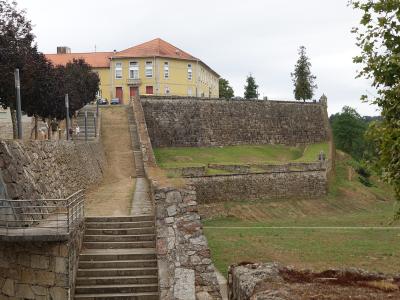
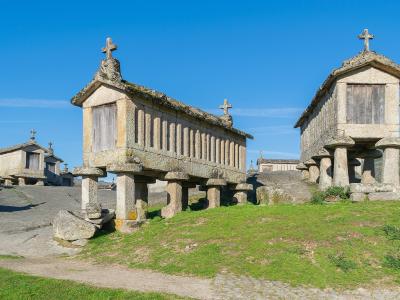
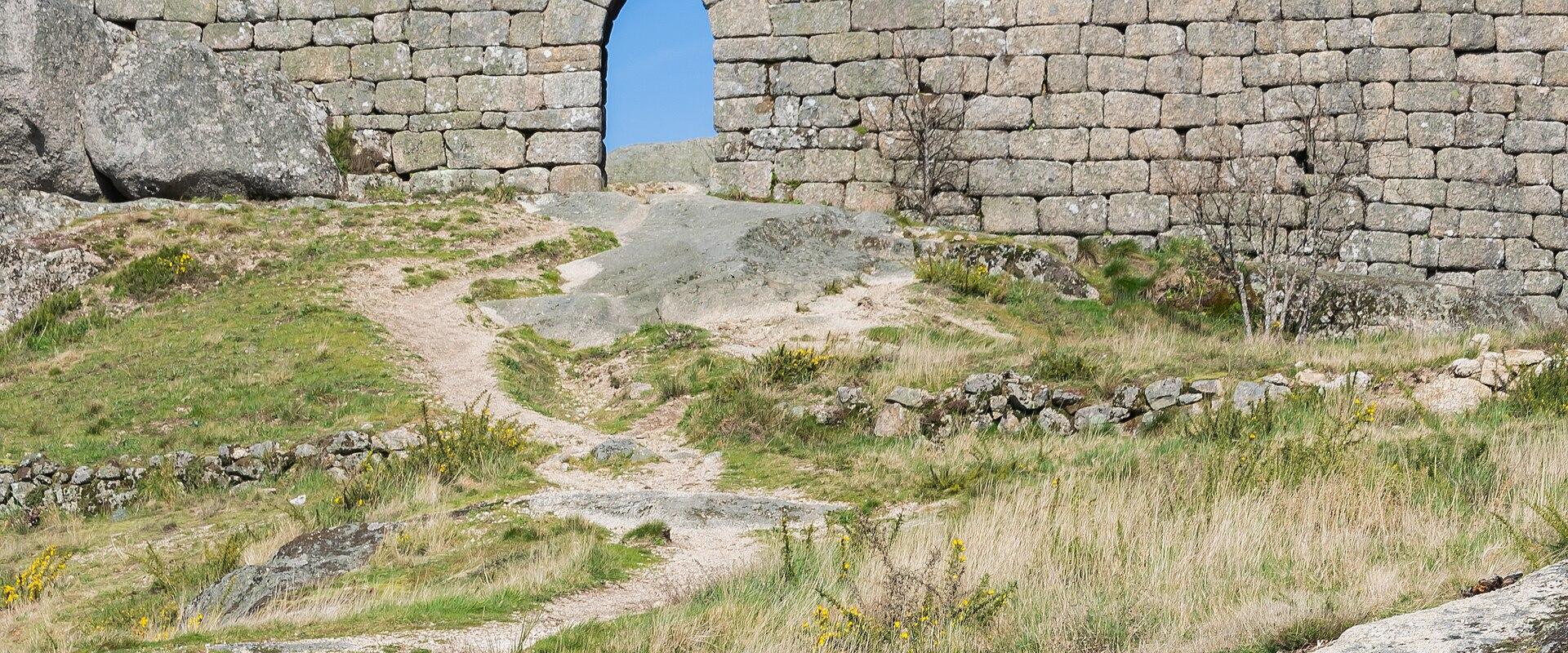
The most iconic landmark is the Castelo de Castro Laboreiro, a ruined medieval fortress dramatically perched atop a granite peak. The castle offers panoramic views of the surrounding mountains and valleys, and hiking up to its ramparts is a must for visitors. The village itself is a picturesque collection of stone houses, narrow lanes, and Romanesque bridges such as Ponte da Cava da Velha and Ponte Velha de Castro Laboreiro, which span crystal-clear mountain streams. The area is also known for its seasonal settlements: 'brandas' (summer villages) and 'inverneiras' (winter villages), reflecting the traditional practice of moving livestock between high and low pastures.
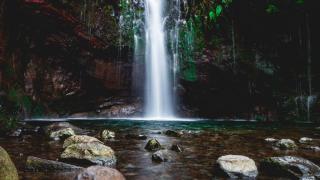
Castro Laboreiro is a paradise for outdoor activities. Well-marked hiking trails wind through forests, past waterfalls like Cascata do Laboreiro, and up to scenic viewpoints. The Peneda-Gerês National Park is home to a rich diversity of flora and fauna, including wild horses, wolves, and rare birds. Adventure seekers can enjoy canyoning, rappelling, quad biking, and mountain biking, while the tranquil setting is perfect for photography, birdwatching, and simply soaking in the natural beauty.
Cultural experiences abound, from sampling local smoked meats and cheeses to attending village festivals that celebrate ancient customs and folklore. The region is also famous for the Castro Laboreiro dog, a rare and hardy breed traditionally used for guarding livestock. Accommodation options include rustic guesthouses, rural tourism cottages, and eco-lodges, many offering sweeping views of the mountains and valleys.
Getting to Castro Laboreiro requires a scenic drive through winding mountain roads, with the nearest major town being Melgaço, about 20 kilometers away. Public transport is limited, so a car is recommended for flexibility and to explore the surrounding park. The village’s remote location ensures a peaceful escape from crowds and a chance to experience the rhythms of traditional mountain life.
The best time to visit Castro Laboreiro is from late spring to early autumn (May to October), when the weather is mild, the trails are accessible, and the landscape is lush and green. Summers are pleasantly warm, while autumn brings vibrant foliage and fewer visitors. Winters can be cold and snowy, adding a magical touch but limiting some outdoor activities. Whether you’re drawn by the history, the hiking, or the wild scenery, Castro Laboreiro promises an unforgettable journey into Portugal’s highland heart.
Best Time to Visit
Late spring to early autumn (May–October) offers mild weather, lush landscapes, and ideal conditions for hiking and exploring Castro Laboreiro’s mountains.
Plan Your Visit to Castro Laboreiro
Essential travel tips and information for your trip to Castro Laboreiro.
Travel Tips
Currency
Euro (EUR) • Cards widely accepted
Language
Portuguese • English in tourist areas
WiFi
Free WiFi in cafes and hotels
Explore Castro Laboreiro by Interest
Discover attractions and experiences in Castro Laboreiro organized by your interests and travel preferences.
Interest categories coming soon
We're working on organizing attractions by interest categories for Castro Laboreiro. Check back soon for curated experiences.
Quick Facts
Book your stay
More destinations in Minho
Explore other amazing places in the Minho region