





Flores Island (Azores)
Westernmost Azorean island with volcanic landscapes
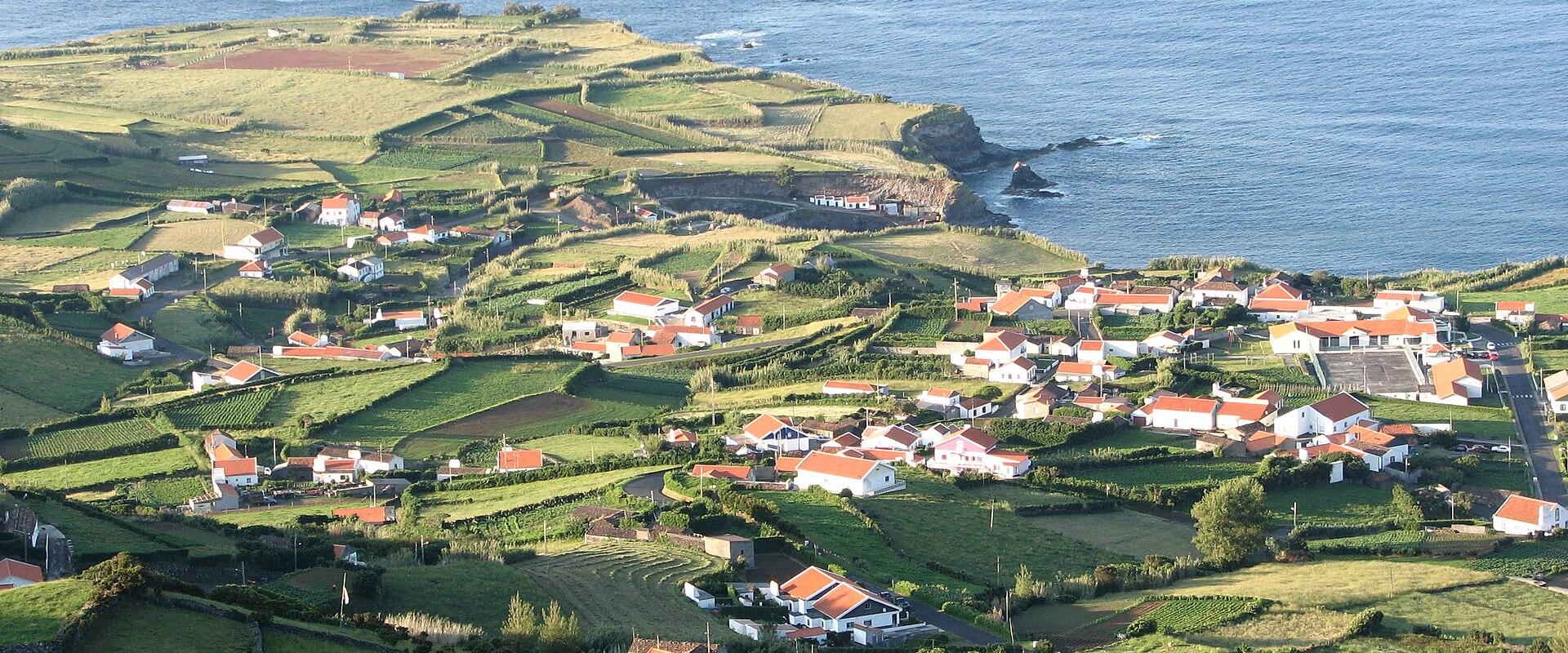
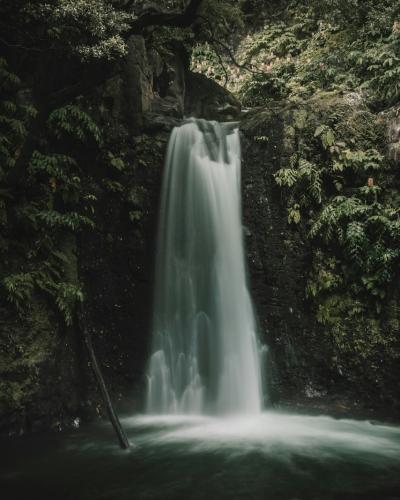
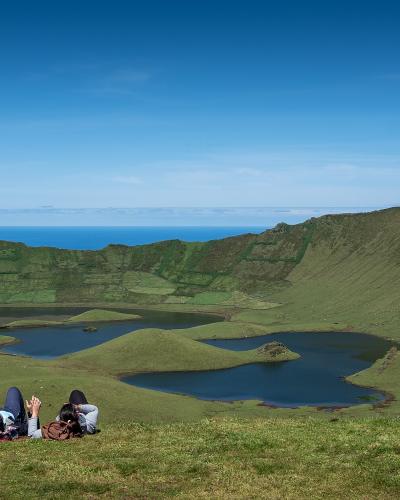
Flores, the westernmost island of Portugal, sits at the edge of the Atlantic and feels like a remote sanctuary. Covering 141 km² (about 16.6 km × 12.2 km) and home to roughly 3,400 residents, the island rises to 911 m at Morro Alto, offering sweeping views over volcanic crags, lush forests, crystal lakes and dramatic waterfalls. Its temperate maritime climate, moderated by the Gulf Stream, keeps the scenery green year‑round.
The island’s human story begins in 1452, when the Portuguese explorers Diogo de Teive and his son first sighted the land, naming it São Tomás or Santa Iria before it became known as Flores for its profusion of wildflowers. Today, the whole archipelago is a UNESCO Biosphere Reserve, and Flores exemplifies that status with untouched natural pools, rugged coastlines and abundant birdlife.
Travelers usually reach Flores via a short regional flight from São Miguel or Terceira, then rent a car at the airport to explore at their own pace. A three‑ to four‑day stay allows time for the main hikes to the waterfalls of Ribeira Grande, the serene lake of Funda, and the panoramic trail up Morro Alto. A boat trip to nearby Corvo adds a chance to spot seabirds and enjoy even more isolated scenery. Accommodation is limited; most visitors base themselves in Fajã Grande, which lies close to the island’s key attractions and provides easy access to the winding roads that link the villages, beaches and viewpoints. Flores invites quiet exploration, letting you soak in the raw beauty of the Azores without the crowds.
More photos coming soon
Nearby Attractions
Other places to visit in Açores

Quick Facts
Best Time to Visit
Late spring to early autumn (May–October) offers mild weather, lush scenery, and optimal conditions for hiking, whale watching, and exploring the Açores.